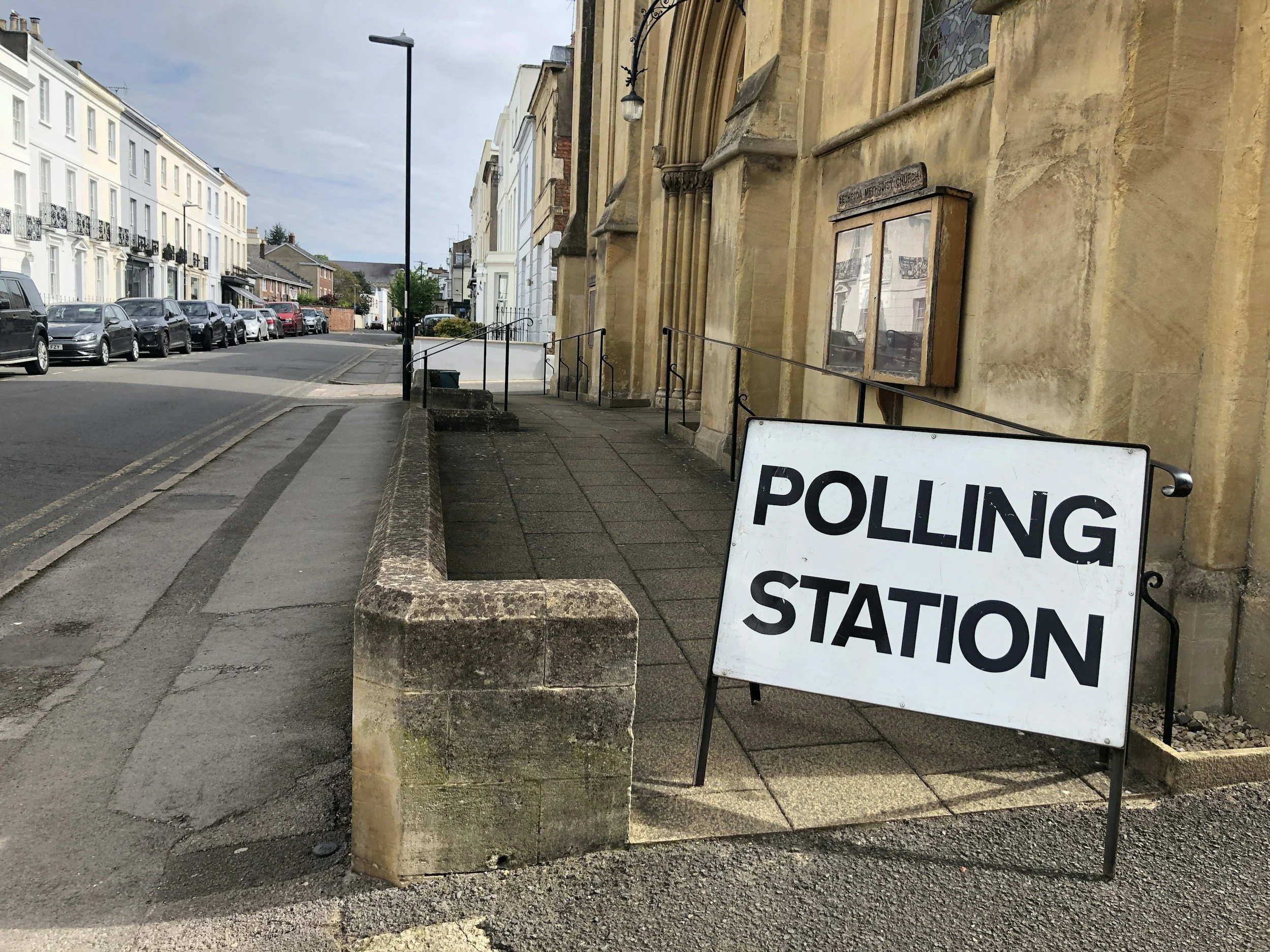
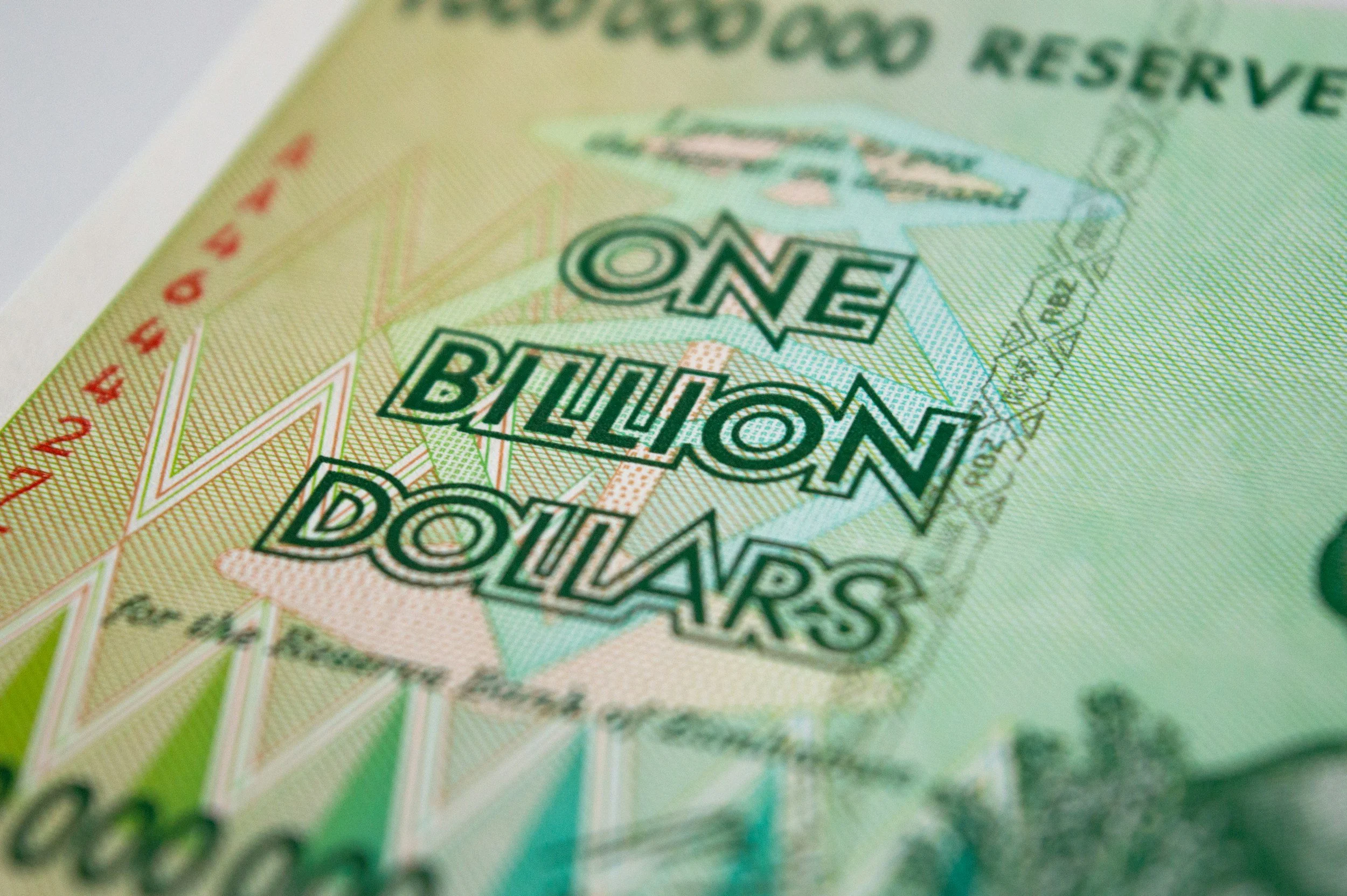
TLDR: Universal suffrage has a structural flaw: votes are free to cast, but the promises they buy are billed to someone else. As Tytler (probably apocryphally) observed, the public will always eventually vote for the politicians who give them stuff. Zimbabwe ran that experiment in fast forward, “one man, one vote” delivered Mugabe, 89.7 sextillion percent inflation, a dead currency, and the banana republic Smith predicted to the letter. My argument: it's time we stopped treating "one adult, one vote" as the final, unrevisable form of democracy and considered tying the franchise to net contribution: mechanically, transparently, for everyone. The bill for our slower version of the same experiment is now showing up in the bond market. That's part two
From the archive (6 July 2010)
Ink, Inflation, and the Digital Gold Rush: is Bitcoin humanity’s last chance?
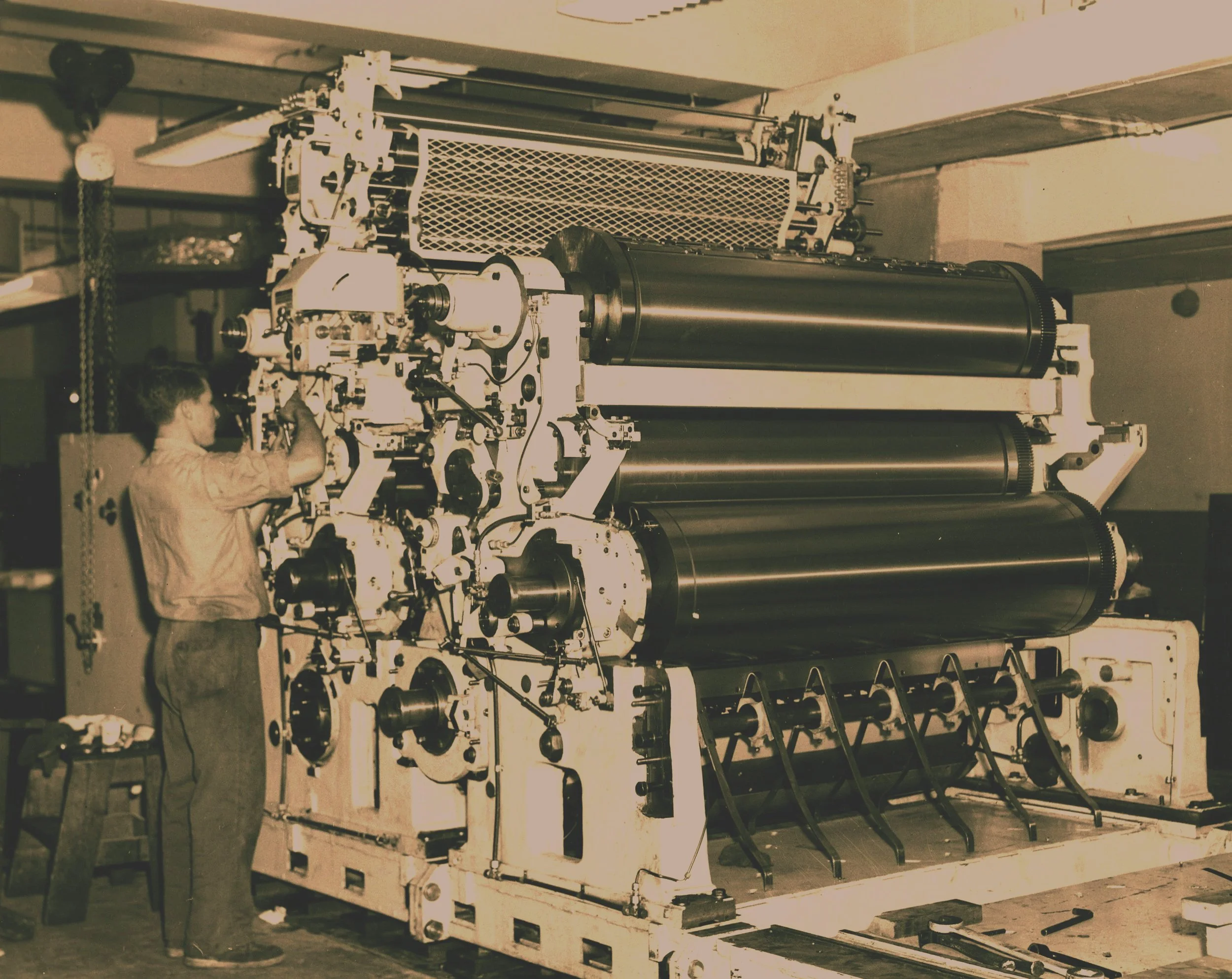
Governments have historically stolen wealth by printing fiat money, a moral crime that fuels inflation, war, and authoritarian control, especially under socialist/communist regimes. JG Hulsmann warned of this “drop of ink” danger in 2008.
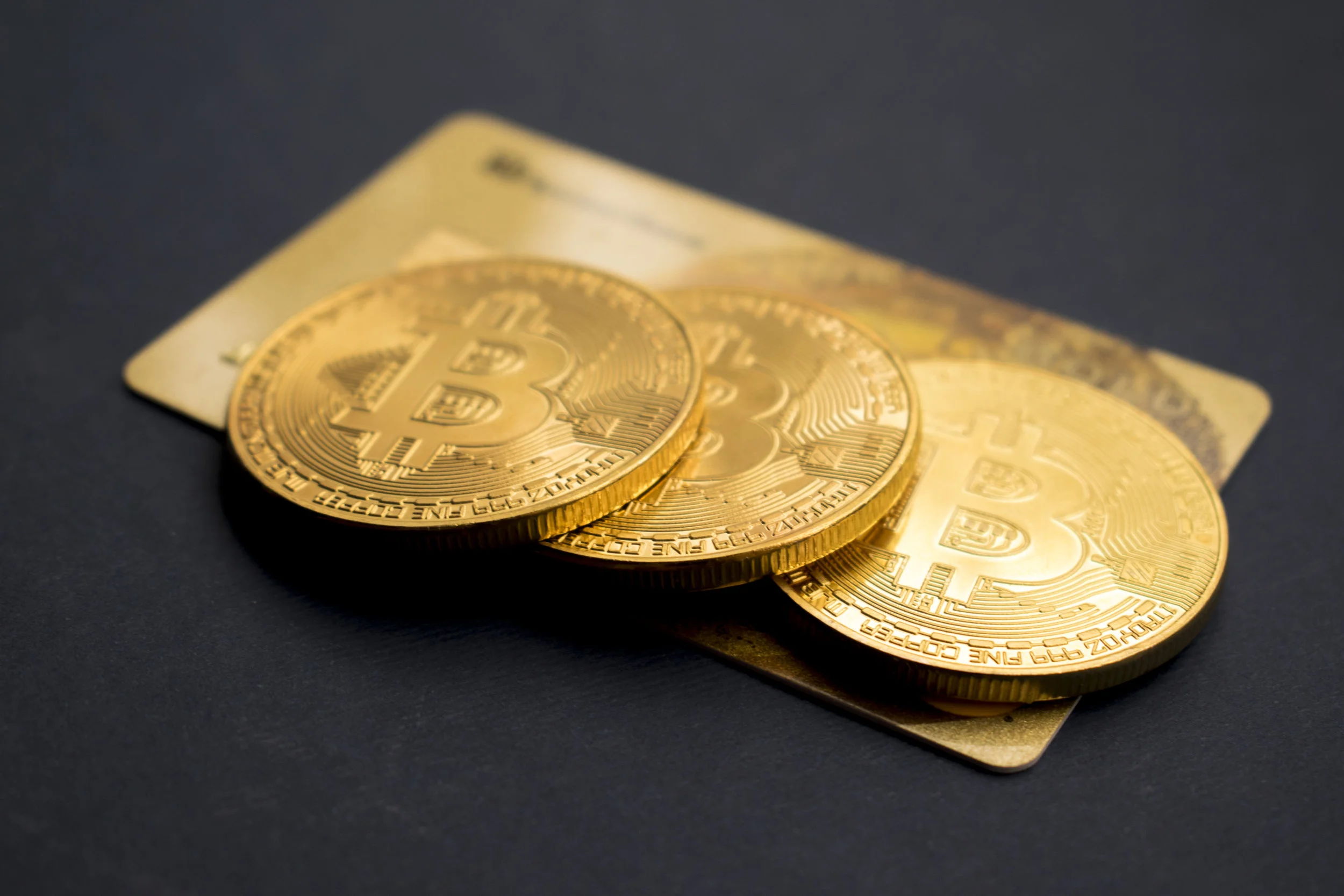
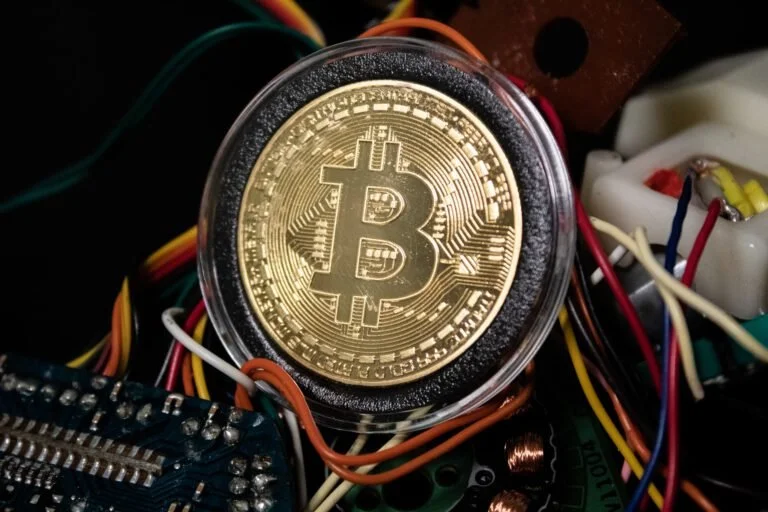
Bitcoin, with its fixed 21 million supply and proof‑of‑work mining, restores “natural money” by making money creation costly, decentralized, and resistant to government manipulation.
In short: stop the endless printing, adopt sound digital money, and protect future generations.
From the archive (1 May 2020)
From the archive (21 Feb 2010)
From the archive (17 Jan 2009)
From the archive (14 Jan 2019)
From the archive (18 Dec 2013)
Federal Reserve Policy Shift: Implications for Asset Markets
TL;DR: The Federal Reserve’s cessation of Quantitative Tightening signals a potential shift towards liquidity expansion, historically associated with improved asset performance (stocks, gold, and particularly Bitcoin). Investors should prepare for potential volatility, prioritize the allocation to scarce assets, and remain vigilant regarding domestic political developments which could introduce unforeseen systemic risks.